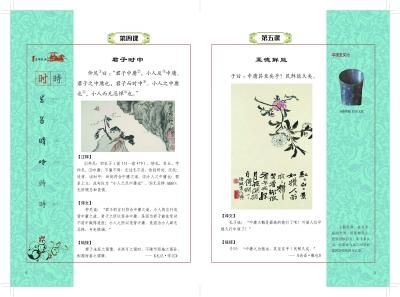
The Doctrine of the Mean
Introduction
The Doctrine of the Mean is one of the Four Books of Confucian philosophy and stands as a central text in understanding Confucian thought. The text, attributed to Confucius’ grandson Zisi, is part of the larger classic known as the Liji or the Book of Rites. The Doctrine of the Mean emphasizes moderation, balance, and harmony as essential virtues in leading a virtuous life. It promotes the idea of achieving moral rectitude through moderation, making it a guide for individuals seeking to live a life of righteousness and balance.
Historical Context
The Doctrine of the Mean was written during the Zhou Dynasty (c.11th century-256 BC), a period characterized by significant philosophical developments in China. Confucius, who lived during the Spring and Autumn period (770-476 BC), was a scholar and teacher whose ideas have profoundly influenced Chinese culture and philosophy. The text is considered a part of the Confucian canon and has been studied and revered throughout Chinese history.
Confucianism, as a system of thought, seeks to instill moral values through personal and societal cultivation. It emphasizes the importance of education, family relationships, and social harmony. The Doctrine of the Mean addresses how to live in accordance with the Tao, or the Way, by maintaining balance and moderation in all aspects of life.
Philosophical Core
The central theme of the Doctrine of the Mean is the pursuit of balance and harmony in human actions and thoughts. Confucius taught that virtue lies in achieving a state of equilibrium and harmony—a balance between extremes. This philosophy is rooted in the idea of the "mean," a concept that encourages individuals to avoid excess and deficiency in their emotions and actions.
The text outlines several key principles:
-
Doctrine of the Mean (Zhongyong): The concept of the mean, which suggests that true virtue is found in moderation. It emphasizes finding a harmonious balance in conduct and thought.
-
Sincerity: Sincerity is seen as the foundation of all moral principles. It is the true nature of a person that aligns with the universal order.
-
Self-cultivation: The text advocates for continual self-improvement and personal development. By refining one's character and actions, an individual can achieve moral excellence.
-
Harmony in society: The Doctrine of the Mean underscores the importance of maintaining harmony in social relations. It suggests that societal peace and order stem from individuals practicing moderation and balance.
Influence and Legacy
The Doctrine of the Mean has had a lasting impact on Chinese culture and has influenced various aspects of Chinese society, including politics, education, and ethics. Its principles have been integrated into the governing philosophies of Chinese dynasties and have shaped the moral framework of Chinese civilization.
Confucius' teachings in the Doctrine of the Mean have transcended national borders and have been studied by scholars worldwide. The text's emphasis on balance and harmony resonates with universal themes in ethics and morality, making it relevant even in contemporary discussions on personal and societal well-being.
Modern Interpretations
In modern times, the Doctrine of the Mean continues to be a subject of study and interpretation. Scholars and practitioners of Confucianism explore its relevance to contemporary issues, such as ethical leadership, sustainable development, and cultural harmony. The text's principles are applied in various fields, including business ethics, political theory, and education, highlighting its timeless nature and adaptability to different contexts.








